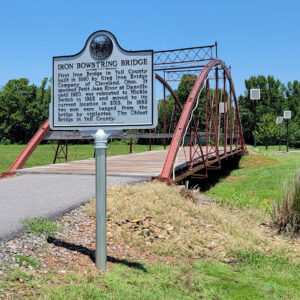
 Bowstring Bridge
 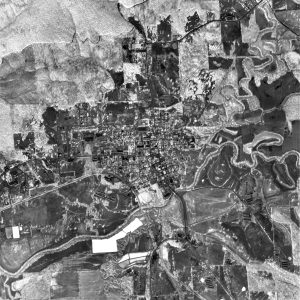 Danville Aerial View
 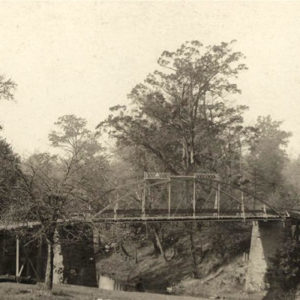 Danville Bridge
 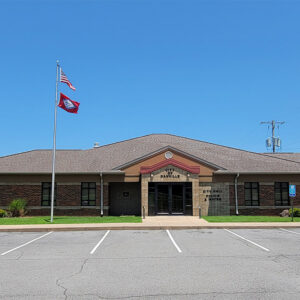 Danville City Hall
 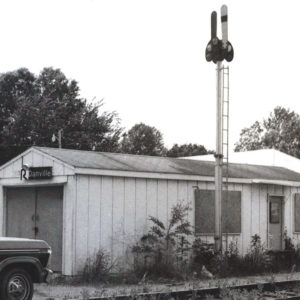 Danville Depot
 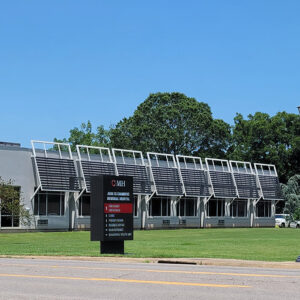 Danville Hospital
 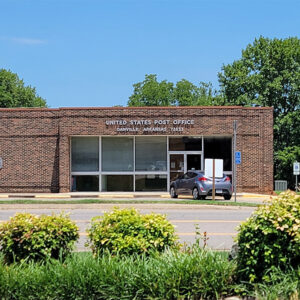 Danville Post Office
 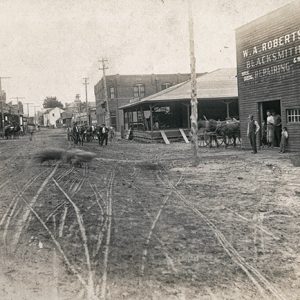 Danville Street Scene
 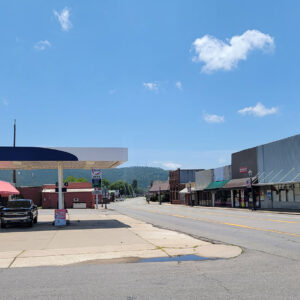 Danville Street Scene
 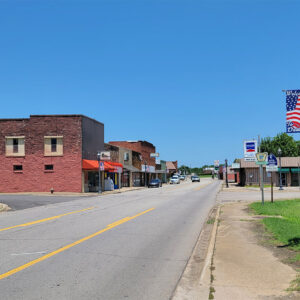 Danville Street Scene
 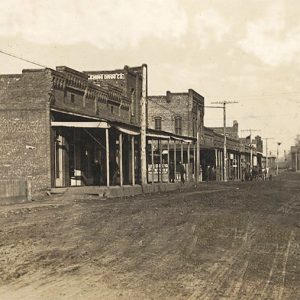 Danville Street Scene
 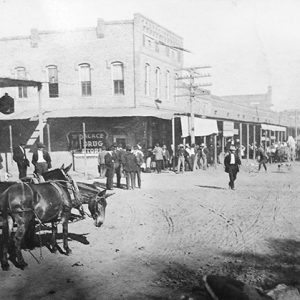 Danville Street Scene
 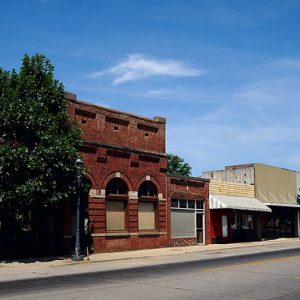 Danville Street Scene
 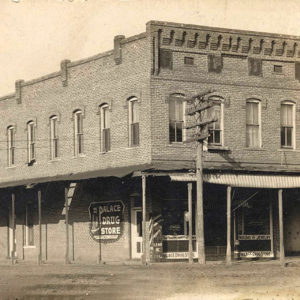 Palace Drug Store
 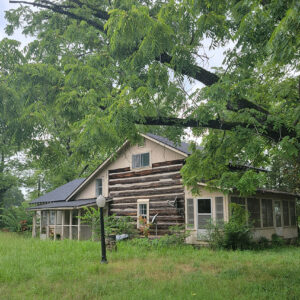 Peeler Gap Road House
 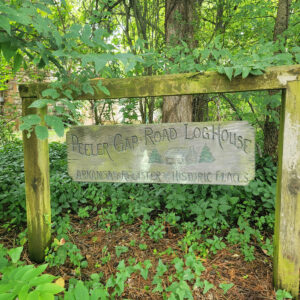 Peeler Gap Road House Sign
 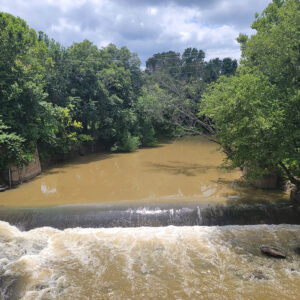 Petit Jean River
 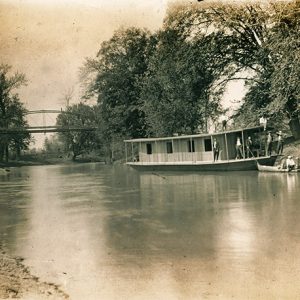 Petit Jean River at Danville
 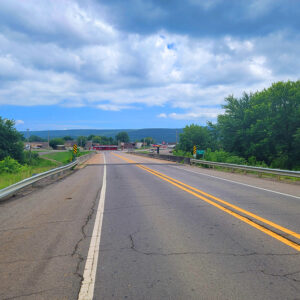 Petit Jean River Bridge
 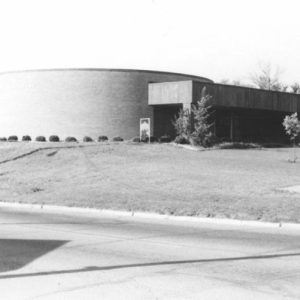 Yell County Courthouse
 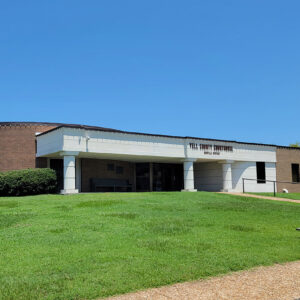 Yell County Courthouse
 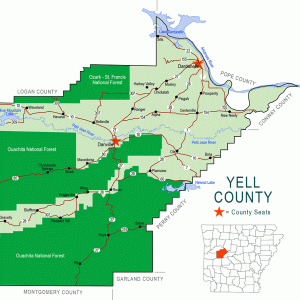 Yell County Map
501-918-3025
calsfoundation@cals.org
calsfoundation@cals.org
| Latitude and Longitude: | 35º03’14″N 093º23’36″W |
| Elevation: | 352 feet |
| Area: | 4.28 square miles (2020 Census) |
| Population: | 2,028 (2020 Census) |
| Incorporation Date: | February 18, 1899 |
Historical Population as per the U.S. Census:
|
1810 |
1820 |
1830 |
1840 |
1850 |
1860 |
1870 |
1880 |
1890 |
1900 |
|
– |
– |
– |
– |
– |
– |
– |
– |
– |
600 |
|
1910 |
1920 |
1930 |
1940 |
1950 |
1960 |
1970 |
1980 |
1990 |
2000 |
|
803 |
833 |
761 |
1,010 |
829 |
955 |
1,362 |
1,698 |
1,585 |
2,392 |
|
2010 |
2020 |
|
|
|
|
|
|
|
|
|
2,409 |
2,028 |
|
|
|
|
|
|
|
|
Danville, one of two county seats of Yell County (the other being Dardanelle), is situated near the center of the county where Highways 80, 10, and 27 converge. The city is located in the Arkansas Valley natural division on the south side of the Petit Jean River and north of the Fourche Mountains subdivision of the Ouachita Mountains. Danville has often been overshadowed by the more populous Dardanelle, which has grown larger due to its situation along the Arkansas River and proximity to Interstate 40.
Louisiana Purchase through Early Statehood
Cherokee settled in the Arkansas Valley, including the area that is now Yell County, in the late 1790s and early 1800s; however, they ceded these lands to the U.S. government in 1828. After Yell County was created in 1840, local commissioners met to select a site for the county seat, settling on what is now Danville as the best location. The city was laid out in December 1841 by James Briggs, James Williams, and Nerick Morse. The home of William Peevy in Monrovia, a few miles north of Danville, was used as a temporary county seat in the interim. The city was named after the steamboat Danville, which plied the Petit Jean River in the 1840s. A log courthouse was constructed at Danville in 1844, though this was replaced by a frame building by 1850. A Masonic lodge was organized in Danville in the late 1840s. The number of creeks in the area led to the construction of numerous water power mills around Danville.
Civil War through the Gilded Age
The city of Danville saw no major Civil War engagements. The War of the Rebellion: A Compilation of the Official Records of the Union and Confederate Armies does mention two minor affairs in the area, the March 28, 1864, Skirmish at Danville and the April 14, 1864, Skirmish at Dutch Mills, but no substantial records exist to give an outline of these events.
Danville swiftly recovered following the war. By 1869, John Howell owned a flour mill, ginning and wool-carding machinery, and a sawmill, though these were destroyed by fire in 1886. H. P. Burton founded the city’s first drugstore in 1872, though he later changed the business into a general store. In December 1872, work began on a two-story brick building to replace the wooden-frame courthouse. In 1879, a 100-foot bridge over the Petit Jean River was constructed at Danville. The Danville Democrat newspaper began publishing in 1899. On September 8, 1883, two white men were lynched at Danville for allegedly being part of an outlaw group.
During the 1890s, the Choctaw Railroad constructed a line linking Little Rock (Pulaski County) with the town of Howe in Indian Territory (present-day Oklahoma). The first train left Little Rock to pass through Danville on December 10, 1899. This line was later purchased by the Rock Island Railroad on April 10, 1902.
Early Twentieth Century
The railroad connection led to some moderate growth in Danville in the early twentieth century, though it did not “boom” like other railroad towns. After the stock market crash of 1929, Danville’s only bank failed. In response, John E. Chambers, a local judge, founded the Danville State Bank on October 7, 1930, with a capital stock of $25,000. This bank survives in the twenty-first century as Chambers Banks. Joseph W. Hull, a vocational agriculture teacher at Danville High School, was appointed to the presidency of Arkansas Polytechnic College, now Arkansas Tech University, in 1932. In 1939, Omer Sanders founded a local phone company that later became Arkwest Communications, a major regional provider of telecommunications services.
World War II through the Modern Era
Danville, insulated somewhat from nationwide economic problems, actually gained population during the years of the Great Depression, though the city again declined as many left to fight in World War II and, subsequently, to seek jobs elsewhere. Danville schools desegregated in 1964 after the high school in Morrilton (Conway County) to which African American students had been bussed raised its tuition rates.
Wayne Farms, a leader in the poultry industry, opened in 1970. The poultry industry has attracted Latino immigrants to Yell County, contributing to the rapid growth of the city in the last decades of the twentieth century. The 2010 census listed over fifty percent of the city’s population as Hispanic. The Danville Municipal Airport opened in 1992 and features a 5,300-foot-long, seventy-five-foot-wide runway. The city continues to be served by the Little Rock and Western Railroad.
The Danville School District consists of one elementary school, one middle school, and one high school. Religious denominations in the city include Baptist, Methodist, Catholic, Church of Jesus Christ of Latter-day Saints, Church of God, Church of the Nazarene, Assembly of God, Pentecostal, and a few independent churches.
Attractions
Nearby Danville Mountain and Dutch Creek Mountain are part of the Ouachita National Forest and feature many hiking trails. Danville is home to the Fourche Office of the Ouachita National Forest. Petit Jean River is also a local attraction, and the Petit Jean Wildlife Management Area, just west of the city, offers opportunities for boating and hunting. The Peeler Gap Road House, a log home constructed circa 1835, is listed on the Arkansas Register of Historic Places.
Notable Figures
Baseball player Slick Surratt was born in Danville.
For additional information:
Banks, Wayne. History of Yell County, Arkansas. Van Buren, AR: The Press Argus, 1959.
Danville, Arkansas. http://www.arkansas.com/places-to-go/cities-and-towns/city-detail.aspx?city=danville (accessed May 18, 2022).
History of Yell County Vertical Files. Arkansas River Valley Regional Library, Dardanelle, Arkansas.
Yell County Historical and Genealogical Association. Yell County Heritage: A History of Yell County, Arkansas. Bedford, TX: Curtis Media, Inc., 1997.
Staff of the CALS Encyclopedia of Arkansas





Comments
No comments on this entry yet.