



501-918-3025
calsfoundation@cals.org
calsfoundation@cals.org
| Latitude and Longitude: | 34º33’24″N 093º38’02″W |
|---|---|
| Elevation: | 663 feet |
| Area: | 1.57 square miles (2020 Census) |
| Population: | 996 (2020 Census) |
| Incorporation Date: | May 30, 1890 |
Historical Population as per the U.S. Census:
|
1810 |
1820 |
1830 |
1840 |
1850 |
1860 |
1870 |
1880 |
1890 |
1900 |
|---|---|---|---|---|---|---|---|---|---|
|
– |
– |
– |
– |
– |
– |
– |
– |
– |
– |
|
1910 |
1920 |
1930 |
1940 |
1950 |
1960 |
1970 |
1980 |
1990 |
2000 |
|
– |
298 |
512 |
490 |
566 |
564 |
819 |
1,023 |
775 |
981 |
|
2010 |
2020 |
|
|
|
|
|
|
|
|
|
1,076 |
996 |
|
|
|
|
|
|
|
|
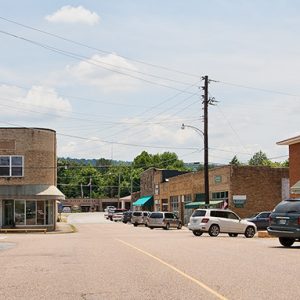
Mount Ida is near the center of the Ouachita National Forest, the South’s oldest and largest national forest. Nearby Lake Ouachita and many rivers and streams make it a favorite of nature lovers. For rock collectors, a layer of topsoil hides countless tons of clear quartz crystals.
Early Statehood
The first name given to the county seat of Montgomery County was Montgomery. Robert McConnell, who homesteaded the land, which later became city lots, was appointed commissioner to superintend the erection of a “log building” to accommodate the holding of court. The “County House,” as the courthouse was then called, was built in 1846 on the present courthouse square.
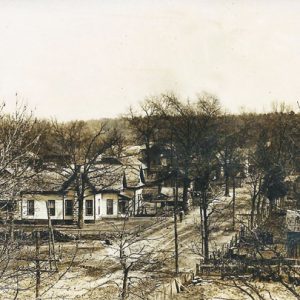
The first post office in the area was established on June 28, 1842, by Granville Whittington and named Mount Ida after a hill near his former home in Massachusetts. For six years, he operated the post office and general store out of his large log home one mile north of the present town square.
In 1848, the post office was relocated to the clerk’s office in the county house. The name of the post office was changed from Mount Ida to Montgomery but was changed back to Mount Ida in January 1849.
Another change of the name of the county seat took place in July 1850, when the county court changed the name to Salem, but this new name was short-lived and was changed back to Mount Ida in October of that year.
Montgomery County Courthouse records remain intact from inception in July 1845. In the 1860 census, Mount Ida is shown as part of the South Fork Township, with a population of seventy-seven. Included in this count were four doctors, a blacksmith, a carpenter, a seamstress, two attorneys, and three merchants.
Civil War through Reconstruction
Mount Ida became actively involved in the Civil War when—on July 4, 1861—two business men , John W. Lavender and John H. Simpson, called for volunteers and were able to raise a full company of men. The company of 128 men was called the Montgomery Hunters and became Company F, a part of the Fourth Arkansas Infantry Regiment of the Confederate Southern Army. The Montgomery Hunters marched out of Mount Ida on July 17, 1861, heading north to Fort Smith (Sebastian County). In late 1863, Mount Ida was occupied for several days by Union forces.
With so many men away from their farming duties, citizens of Mount Ida began to suffer from inadequate food supplies even in the early stages of the war. In addition to this hardship, Mount Ida had very little protection from renegades such as jayhawkers and bushwhackers, and the citizens suffered greatly during these lawless years.
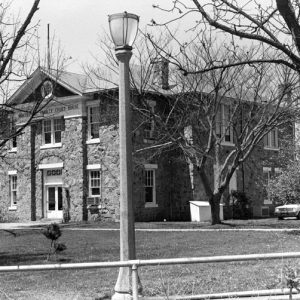
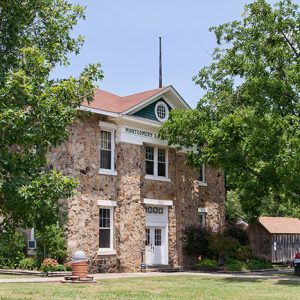
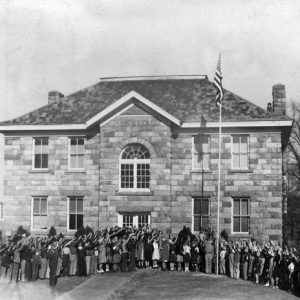
Around 1873, the original courthouse was dismantled and replaced with a new, two-story frame building facing south, which, in turn, was replaced by a two-story native stone building in 1923.
Housing for the first schools, known as subscription or tuition schools, in Mount Ida was the old log courthouse, which had been moved to a private lot near the town square in 1874. In 1893, a two-story, two-room frame school was built. The school was reorganized in 1897 as the Mount Ida Normal Academy, and in 1900, seven students received the first high school diplomas. Enrollment in Mount Ida School District No. 20 in 2005 was 569 students.
The Gilded Age through Early Twentieth Century
The 1880s saw a silver mining boom in the eastern portion of the county. The population swelled in this area with miners and those affiliated with the industry, and the entire county felt the effects of the resulting economic boom.
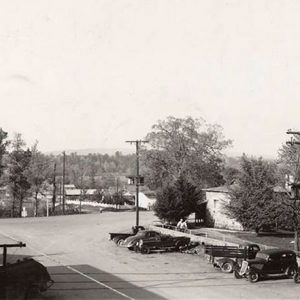
In 1920, the business section of Mount Ida had nine general stores, a drug store, two hardware and furniture stores, two blacksmith shops, a garage, two sawmills, a planer mill, a cotton gin, a stave mill, a flour mill, and three hotels. Today, the major sources of income are cattle, swine, poultry, timber, mining, and tourism.
Mount Ida had an all-woman city council during the 1931 and 1932 terms. By the time the women had vacated office, the city was out of debt, and money was raised to put a fence around the town square.
World War II through Modern Era
Many of the twenty-one Montgomery County residents who died in World War II were from Mount Ida.
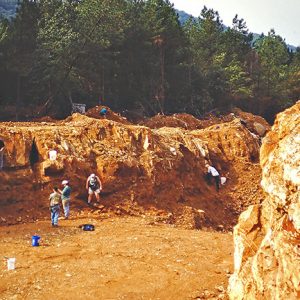
In the early 1950s, the creation of Lake Ouachita, the state’s largest lake, improved the area’s prosperity by bringing tourists to the area. Other favorite tourist spots are the many quartz crystal mines where, for a small fee, people can dig and keep all the crystals they find.
Attractions
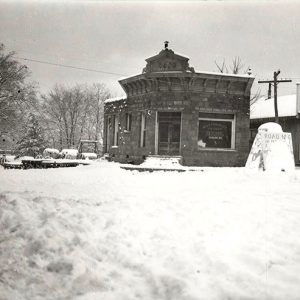
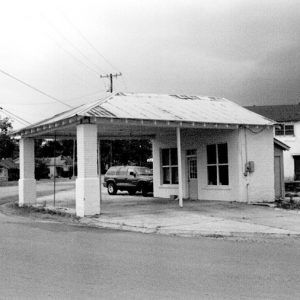
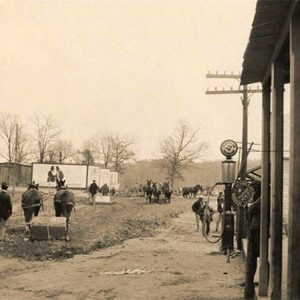
The Heritage House Museum of Montgomery County is a not-for-profit, free-admission museum. The Mount Ida area is also home to an annual World Championship Quartz Crystal Dig. The Front Porch Stage is a nonprofit organization that produces free music concerts on the lawn of the Montgomery County Courthouse. Local properties on the National Register of Historic Places include the county courthouse and the Mount Ida Cities Service Filling Station.
Famous Residents
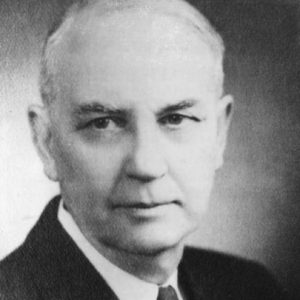
Famous residents include Lon Warneke (“the Arkansas Hummingbird“), a pennant-winning baseball pitcher; Charles Lee Watkins, U.S. Senate parliamentarian from 1937 to 1964; Richard Rudell Whittington, who, during World War II, saved the life of General Hideki Tojo; Dortha Delena Scott, who designed the 2003 Arkansas Quarter; Mark Davis, a nationally known bass fisherman; and Chase Battle, a world champion horseshoe pitcher.
For additional information:
Montgomery County Historical Society. Montgomery County, Our Heritage. 2 vols. Mount Ida, AR: Montgomery County Historical Society, 1987, 1990.
Mount Ida Area Chamber of Commerce. http://mtidachamber.com/ (accessed July 19, 2023).
Debbie (Scott) Baldwin and Betty Prince
Mount Ida, Arkansas


Comments
No comments on this entry yet.